Skip to content
Xuan Yun Zhou
Library

About

Xuan Yun Zhou

A short biography of Master Zhou. The timeline below marks where our other sources differ or say nothing; those points stay TBD until Master Zhou confirms them.

His story

Daoist Xuan Yun Zhou (born Zhou Hongliang) was born in a small village in Henan Province, central China. At the age of thirteen, he was sent by his parents to Mount Wudang, where he began studying Taiji, Kung Fu, and Qigong—disciplines that would later become central to his life's work and teaching.

He trained at the Martial Arts Academy of the Daoist Association at Zixiao Palace (Purple Cloud Palace), where he was initiated into the Wudang Longmen (Dragon Gate) lineage, becoming a 24th-generation successor. At seventeen, he underwent formal Daoist ordination and became a Daoist priest, devoting himself to the study of Daoist philosophy, spiritual cultivation, and religious practice.

Although many practitioners who study martial arts on Mount Wudang develop connections with the Daoist tradition, Xuan Yun Zhou's path was distinctive. He spent many years living and training full-time within the mountain's monasteries, immersed in the traditional monastic way of life, and completed the formal rites of Daoist ordination.
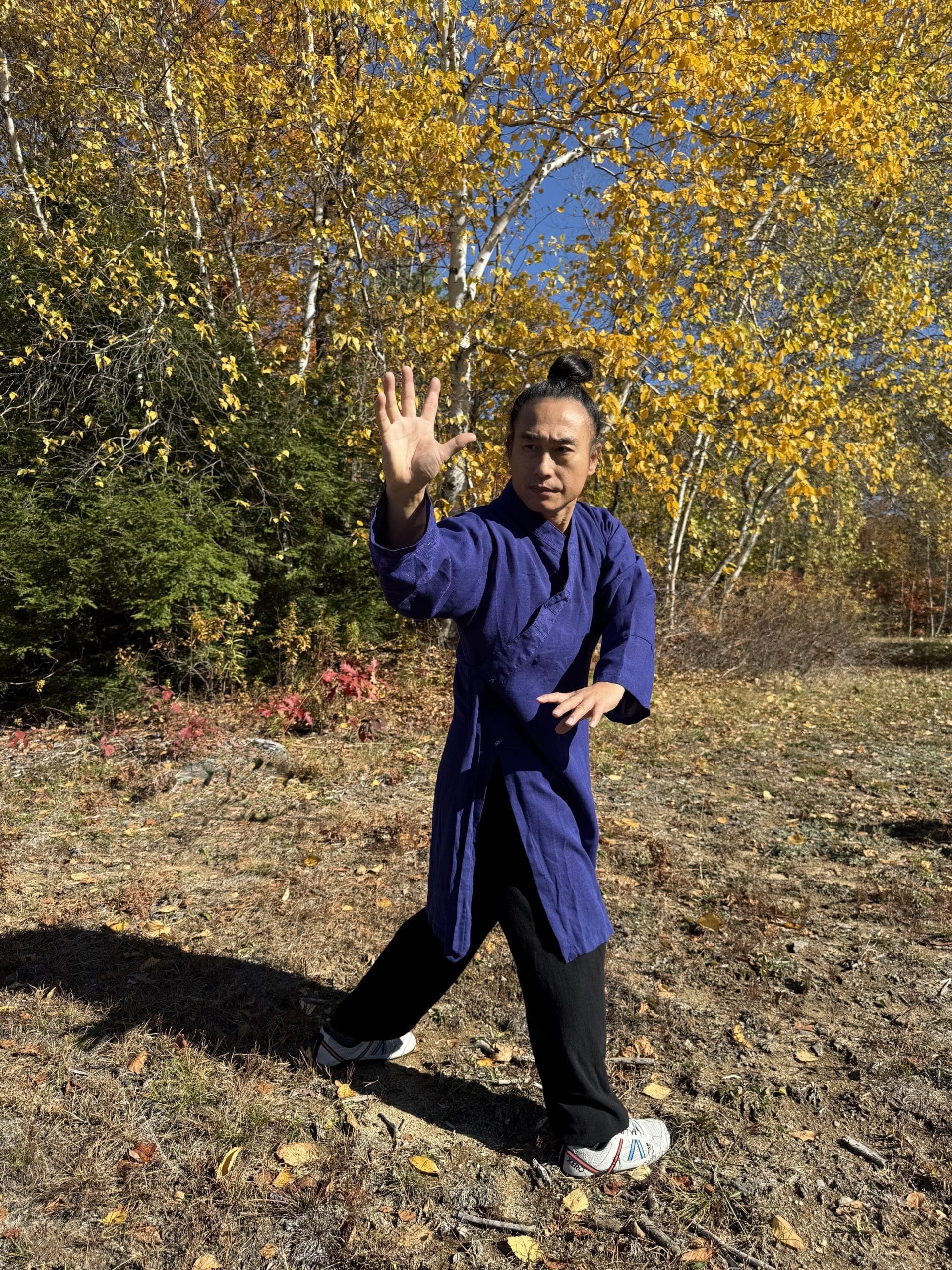
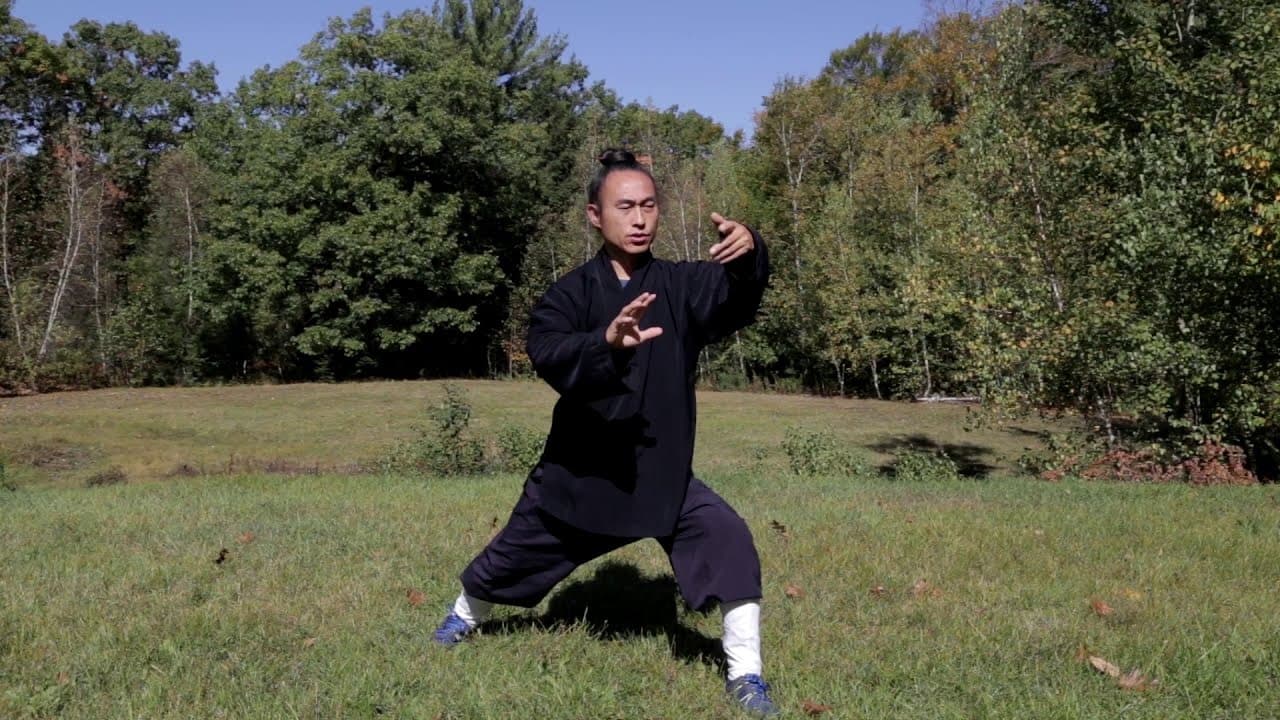
A figure in an indigo robe in a Taiji pose before yellow autumn birch trees

Autumn leaves hold the light, and an indigo robe moves among the pale trunks, one hand lifted like a leaf not yet fallen. Each autumn the center gathers its students for teacher training; this is only the quiet around it, a figure, a tree, a season turning. The photograph asks nothing more: to stand, to breathe, to let the year settle.

Source: daoistgatecenter.org · rights pending

At nineteen, he embarked on a period of wandering throughout China, traveling across its mountains and rivers in search of accomplished masters and experienced Daoist practitioners. This journey deepened his understanding of Daoist philosophy and practice, while broadening his experience of China's diverse spiritual and martial arts traditions.

Through a series of fortunate circumstances, he eventually came to the United States in 2009, where he established the Daoist Gate Center in New Hampshire. Today, he continues to share the traditional teachings of Daoism, Taiji, Qigong, and internal martial arts, bringing these ancient traditions into dialogue with contemporary life.

Timeline, with open questions

TBD — pending Master Zhou’s confirmation. Items marked TBD are where the sources differ or say nothing. We will use whatever Master Zhou confirms.
  1. Birth

    A small village in Henan Province. Birth year: not published.

  2. Mount Wudang

    At thirteen, sent by his parents to Mount Wudang to study Taiji, Kung Fu and Qigong.

  3. Wudang Longmen lineage

    Trained at the Martial Arts Academy of the Daoist Association at Zixiao Palace (Purple Cloud Palace); initiated into the Wudang Longmen (Dragon Gate) lineage as a 24th-generation successor.

  4. Daoist ordination

    At seventeen, formal Daoist ordination; he became a Daoist priest.

  5. Wandering years

    At nineteen, began a period of wandering across China in search of accomplished masters and experienced Daoist practitioners.

  6. Yunnan (Dali)TBD

    Six years or six and a half years, depending on the page.

    TBD — pending Master Zhou’s confirmation.
  7. United States

    Arrived in 2009. The Daoist Gate Center opened in Francestown, New Hampshire, in 2018.

  8. Teaching in ChinaTBD

    daoistgate.com says he began teaching in China in 1997. This has not yet been reconciled with the biography above.

    TBD — pending Master Zhou’s confirmation.
Lineage and teachers

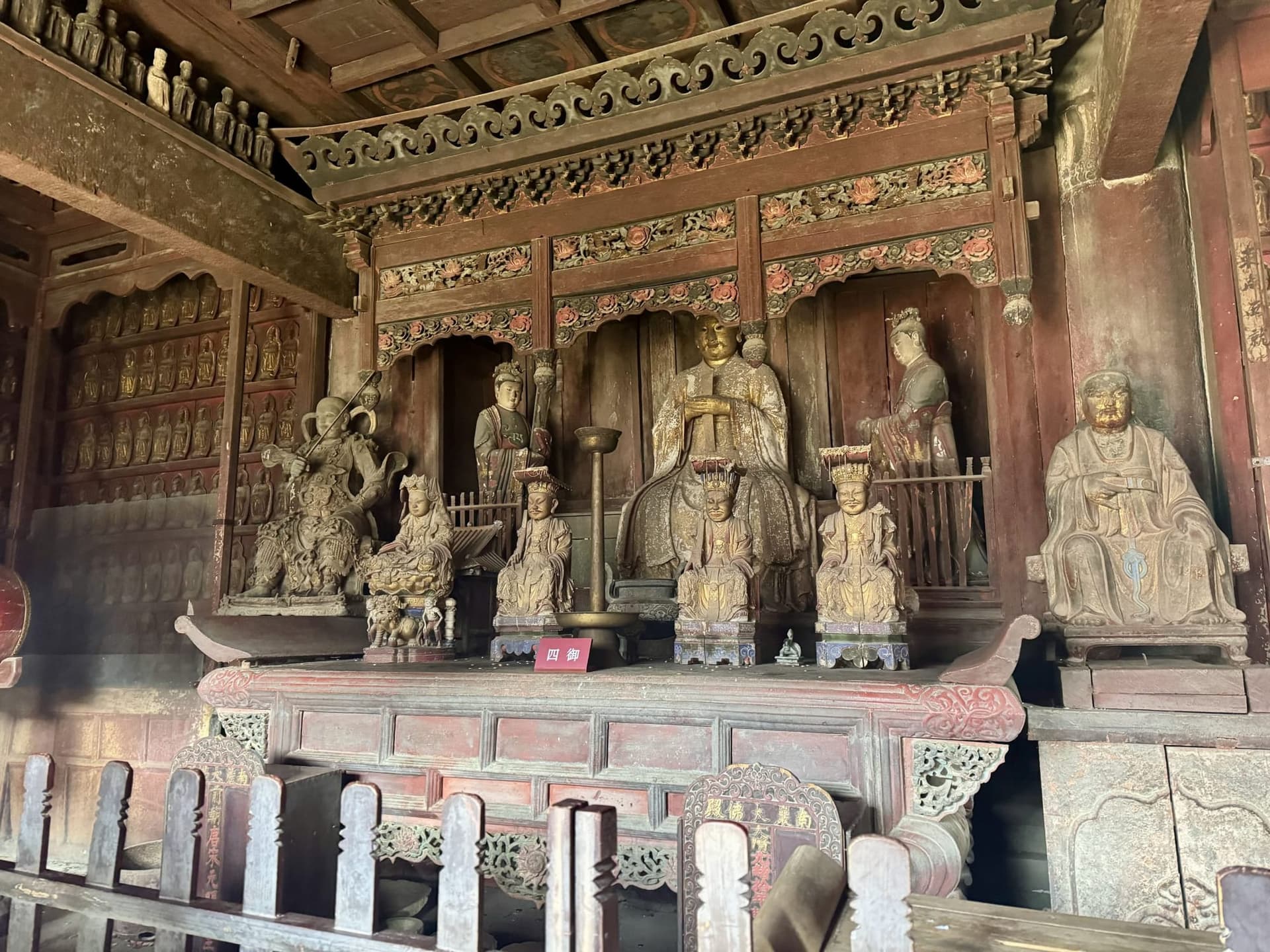
He is a Wudang Daoist priest. His lineage:

  • Wudang Longmen (龍門派, Dragon Gate), 24th generation.

Teachers named on the sites

Li Guang Fu 李光富

Recognized master and mentor, a formally recognized disciple relationship stated on daoistgate.com.

Wang Guang De 王廣德

Abbot who wrote the letter of introduction when he asked to enter the temple, as told in his own post.

TBD — pending Master Zhou’s confirmation. Master Li’s official title is described differently across pages (Chairman of the Chinese Taoist Association; abbot of Purple Cloud Palace; abbot of Wudang). Wording to be confirmed.
TBD — pending Master Zhou’s confirmation. Who taught him Tai Chi, Xingyi and Bagua specifically, and ordination name, date and temple: not published.
Teachers and titles on this page come from the sister sites and have not yet been confirmed with Master Zhou. daoistgate.com · Wudang lineage and school · What is Wudang style?

Daoist Gate and Xuan Ju

Daoist Gate is a system of holistic health and wellness practices founded by Xuan Yun Zhou. Its home site is daoistgate.com.

Daoist Gate Center, also called Xuan Ju, is a 501(c)(3) non-profit founded in 2018 in Francestown, New Hampshire, at the foot of Crotched Mountain. It has residential space for up to 12 people and a training hall for 20.

Since 2021 it hosts teacher training each spring and autumn, and a teacher-certification system is being built. The Daoist Benevolent Association is the non-profit sister organization of Daoist Gate.

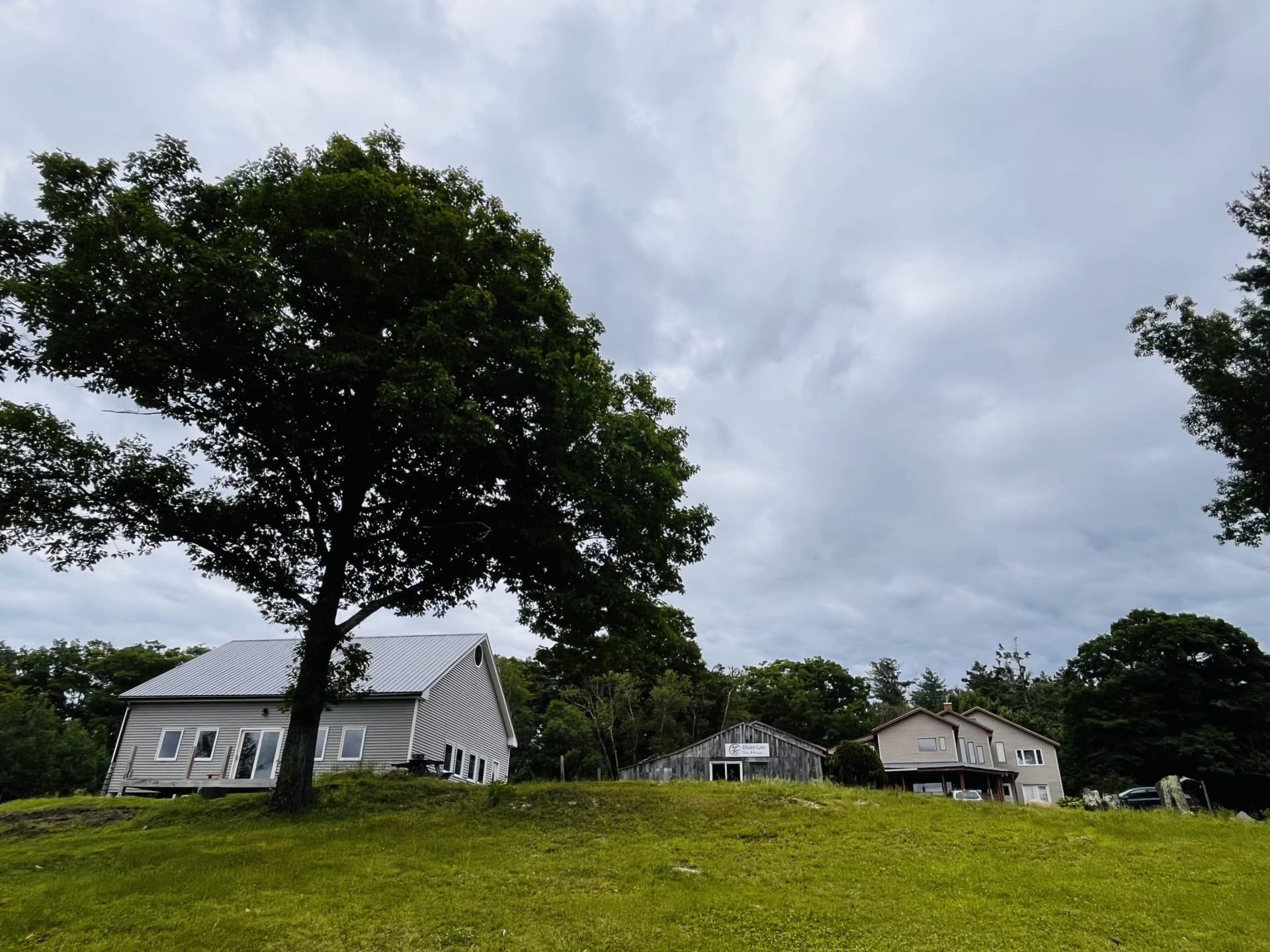
Daoist Gate Center in Francestown, New Hampshire

Grey clapboard buildings and a barn on a green hill, a great tree, an overcast sky. This is the Daoist Gate Center, Xuan Ju, in Francestown, New Hampshire, at the foot of Crotched Mountain — founded in 2018 under his guidance, with room for twelve to stay and a hall for twenty to train. Humble, and made for quiet work.

Source: daoistgatecenter.org · rights pending

The place

The center he founded. Daoist Gate Center, Xuan Ju, in Francestown, New Hampshire, is a non-profit founded in 2018; Master Zhou calls it “a place of Daoist practice built by myself and Daoist Gate students.” These are its grounds in the autumn of 2026.

Visit Daoist Gate Center →

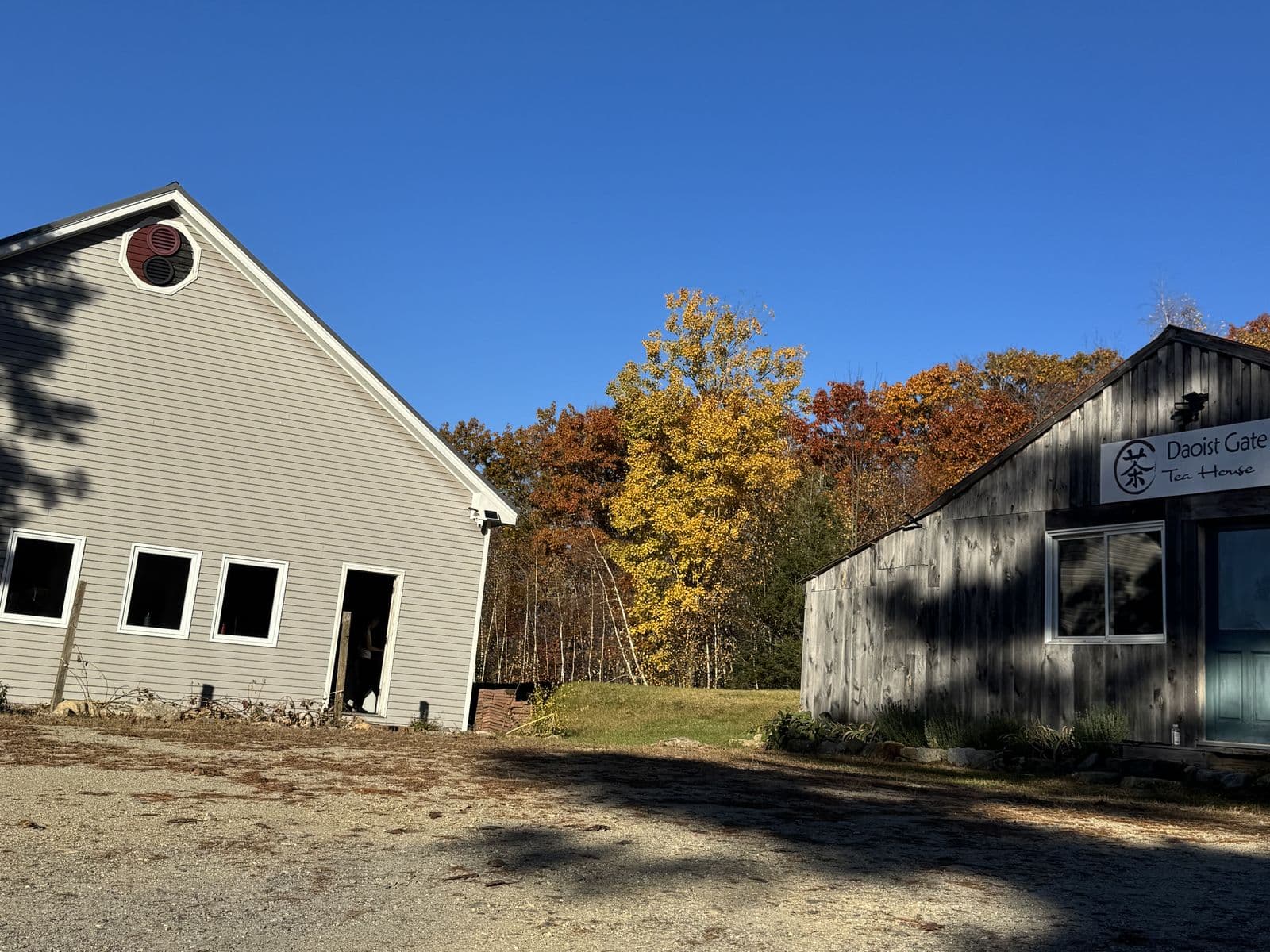
The grey building and the Daoist Gate Tea House, across the gravel yard on a clear autumn morning.

The grey building and the Daoist Gate Tea House, across the gravel yard on a clear autumn morning.

Photo: Tatiana Beltran

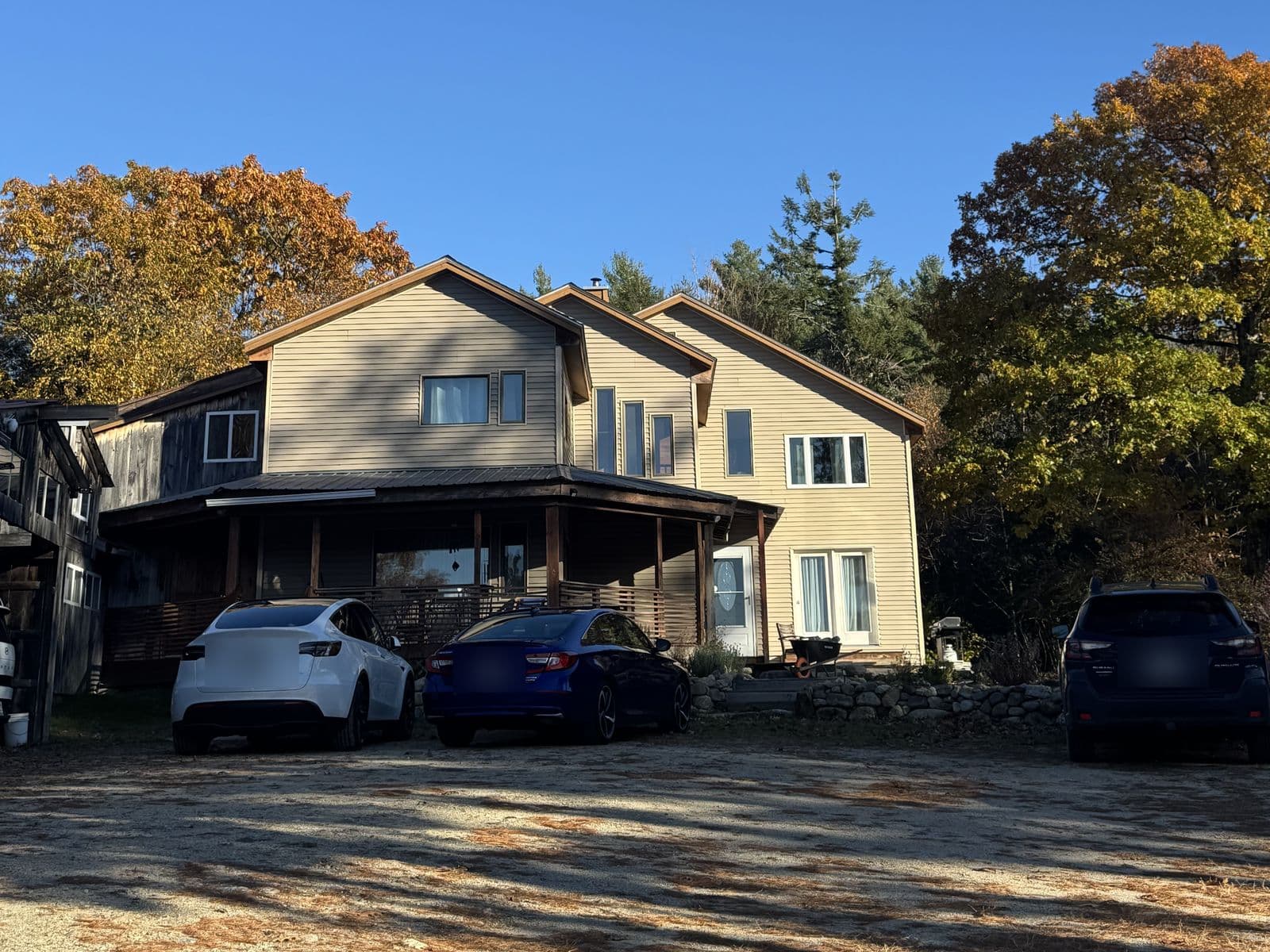
The main house at the center, seen from the yard. Licence plates are blurred for privacy.

The main house at the center, seen from the yard. Licence plates are blurred for privacy.

Photo: Tatiana Beltran

The grounds

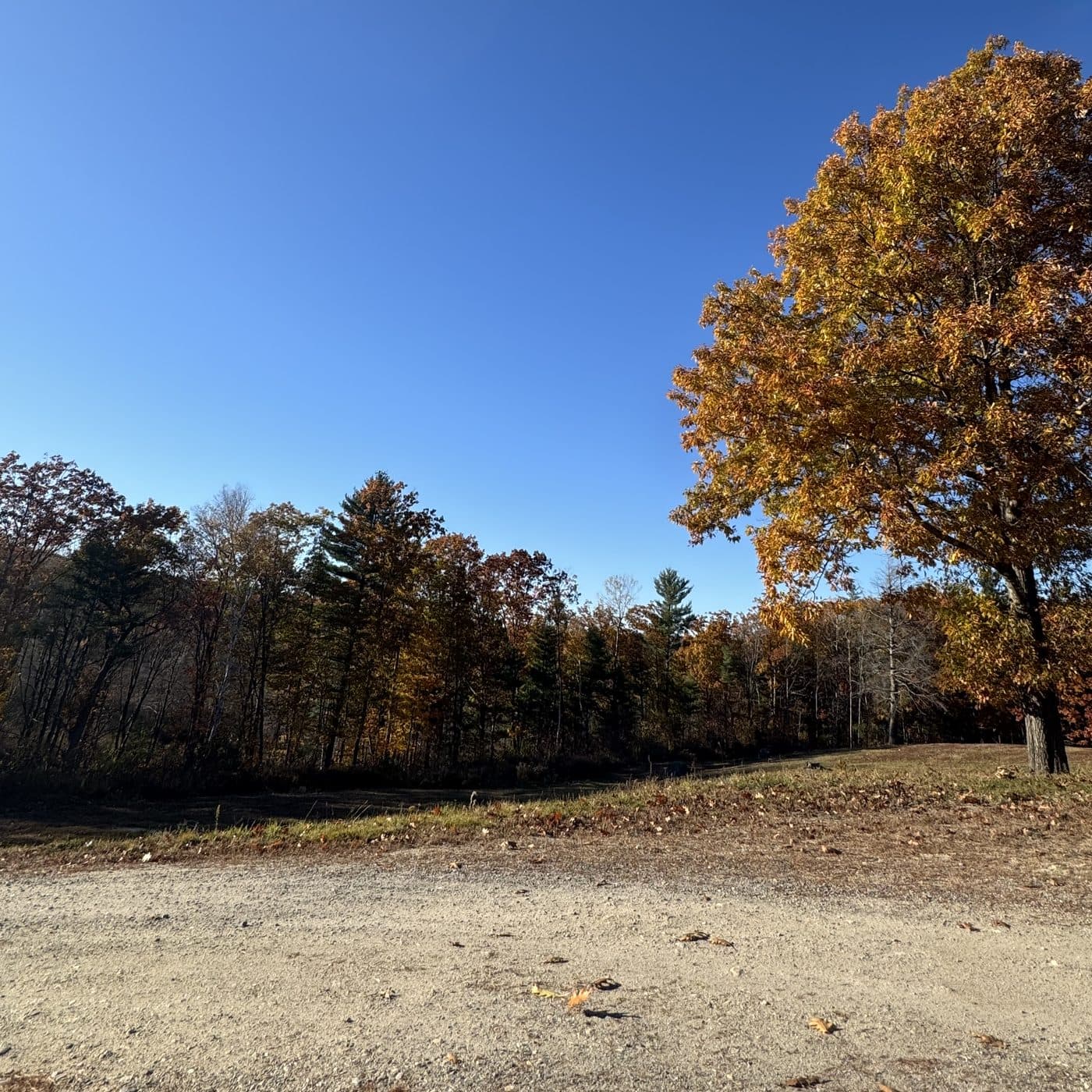
A large tree in autumn colour at the edge of the field, beside the gravel yard.

A large tree in autumn colour at the edge of the field, beside the gravel yard.

Photo: Tatiana Beltran

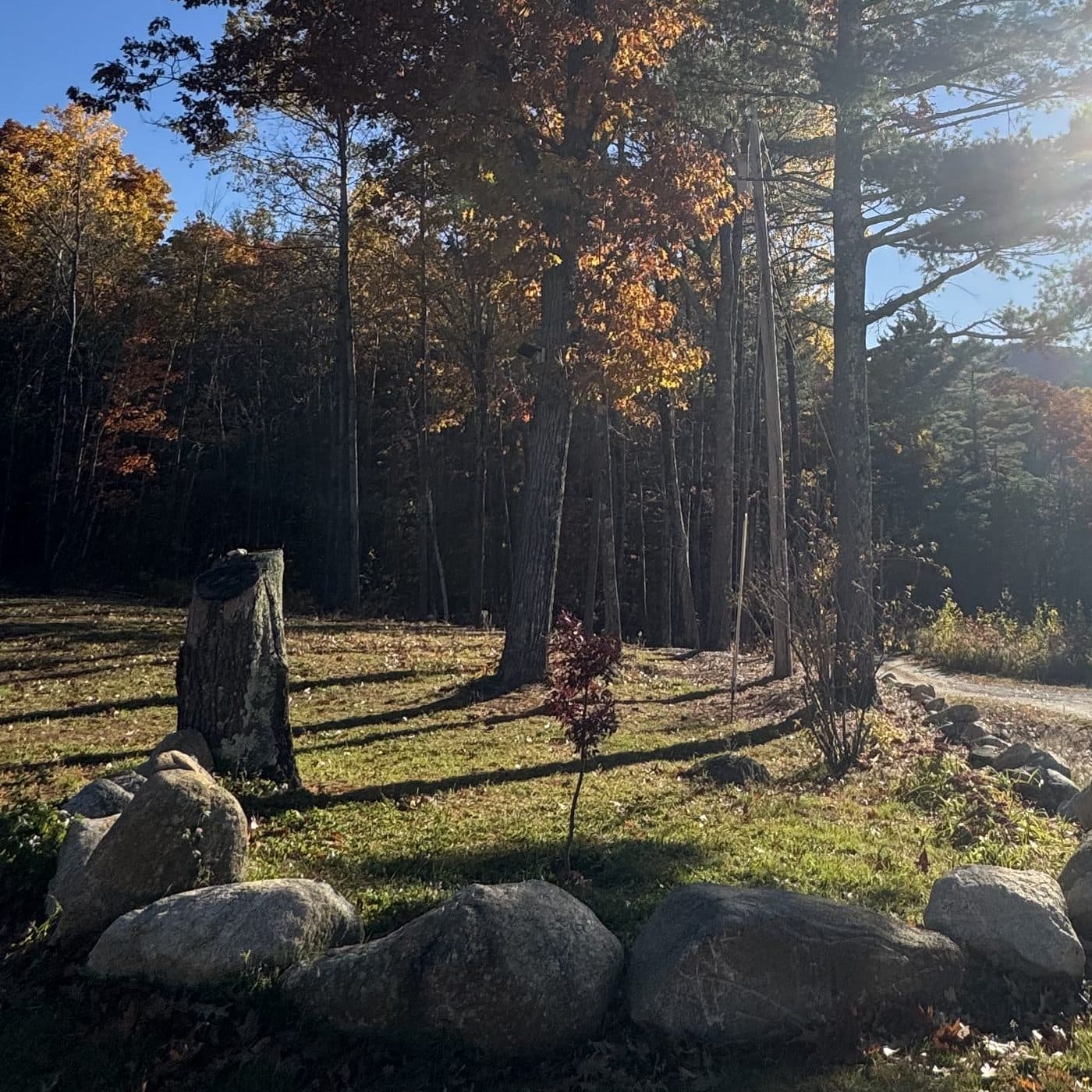
Trees and a ring of boulders where the drive bends toward the woods.

Trees and a ring of boulders where the drive bends toward the woods.

Photo: Tatiana Beltran

The center’s space can also be rented; details are on daoistgatecenter.org. daoistgatecenter.org

Daoist Gate Center ↗Daoist Gate ↗Teacher certification ↗

In his words

Verbatim lines from his own pages. Original English text is shown.

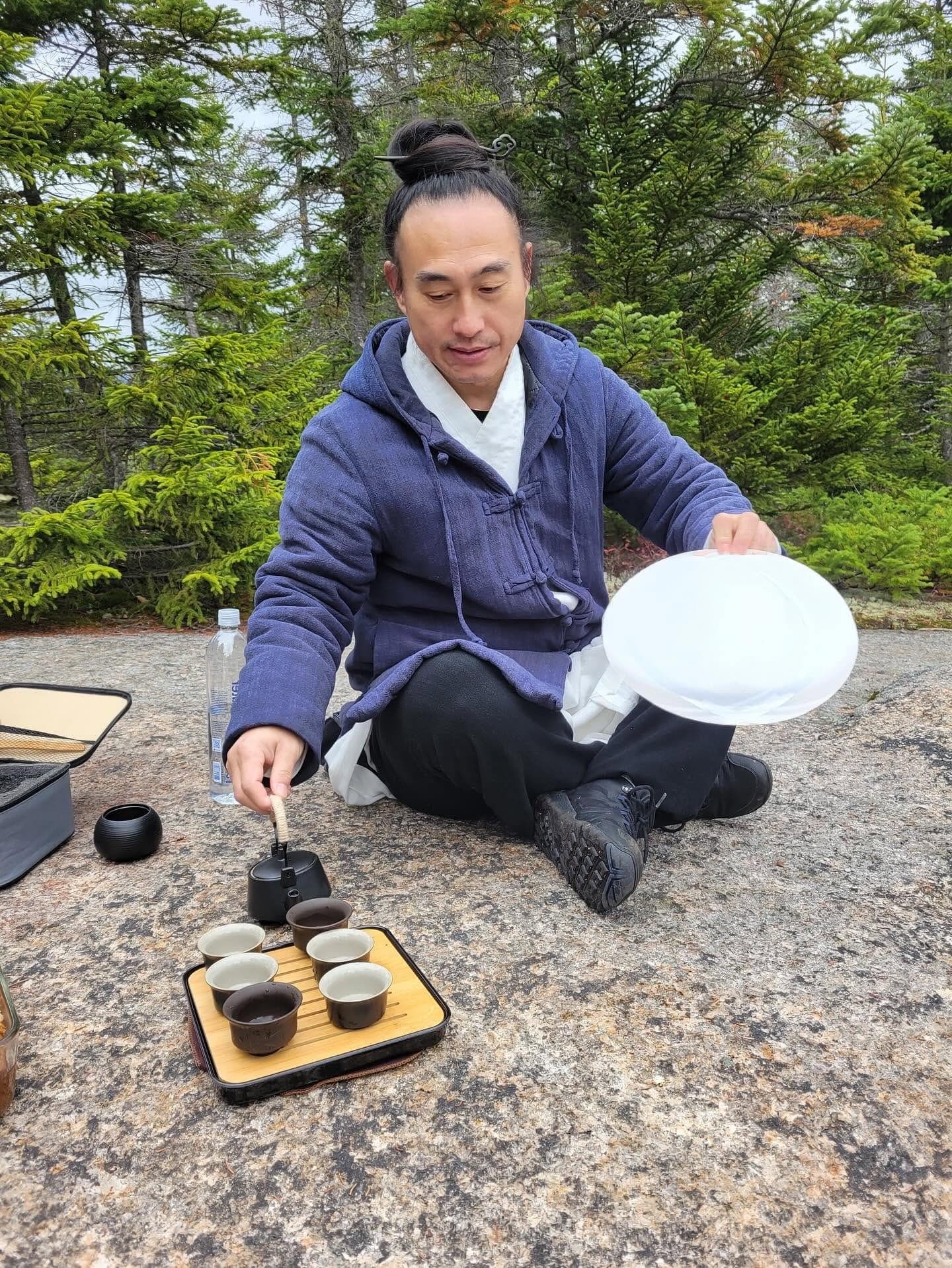
A person seated on a granite outcrop pouring tea among spruce trees

Tea poured on a granite outcrop among spruce, steam rising into cool air. Asked about his favorite part of Daoism, he answered that he has no single favorite: what he likes most is how learning about one part deepens his understanding of all the others. A cup of tea, held quietly, is one part of that whole.

Source: daoistgatecenter.org · rights pending

“I don’t really have one favorite part of Daoism. What I like the most is how learning about one part benefits my understanding of all of the other parts.”
“Daoist Answers 10 Questions From Readers” ↗
“Taiji and Qigong provide powerful antidotes to the stresses of contemporary life.”
Teacher Training Vision, daoistgatecenter.org ↗
“Little did I know at the time that one day I would become a disciple of Master Li.”
“The Day I Entered a Daoist Temple” ↗
“Cameras capture images, but they cannot hold emotions.”
“2025 Wudang and Yunnan Pilgrimage: A Reflection” ↗

Recognition and talks

As stated on daoistgate.com. These are the site’s own claims and have not been independently verified.

TBD — pending Master Zhou’s confirmation. Awards, press coverage, publications list and the exact wording of the Library of Congress item: none found; to be confirmed.
Source: daoistgate.com biography

The library

A record of his teaching and practice: the forms, the talks, the conferences, the journeys. Wander as you like.